Part 1 – The Decision to Search
The Independent Commission for the Location of Victims’ Remains (ICLVR) operates with a meticulous, information-driven approach. The Commission does not act solely on “tip-offs”; instead, each piece of information undergoes thorough scrutiny before any search is conducted.
Part 2 – Breaking Ground
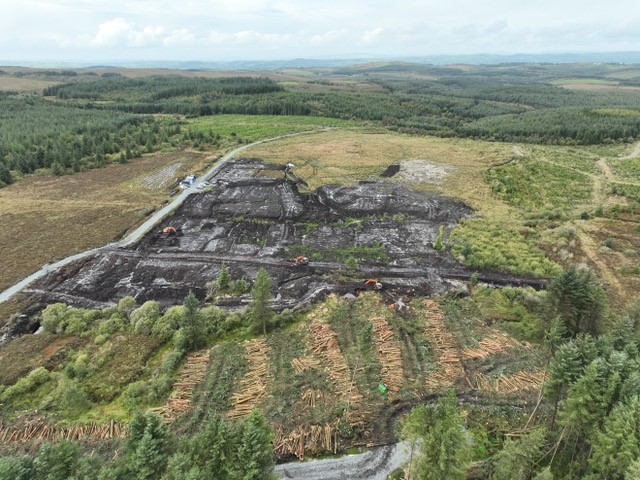
The area will be electronically and physically divided into 20 metre squares for search management using GPS to ensure accuracy. There will be areas of particular interest identified and while the whole area will be searched if necessary there will be a focus on those.
While the Commission may release to the media the overall size of the area to be searched it does not mean that the search starts at one end and goes to the other. The strategy of the search often dictates that less likely areas may be searched first for ground integrity reasons. Equally progress through the search is not measured in how many square metres have been covered.
Where practical a media facility will be made available on the site on the first morning of the search while machinery is moved into position. Active searching will not take place while the media are present.
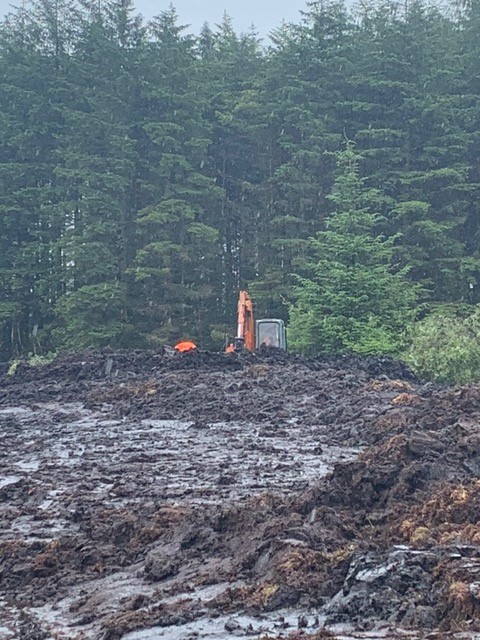
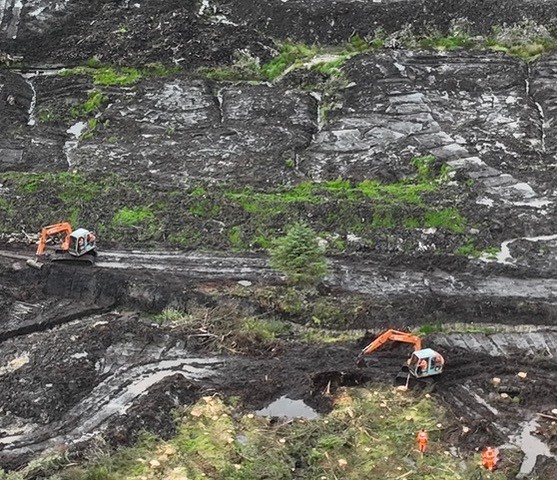
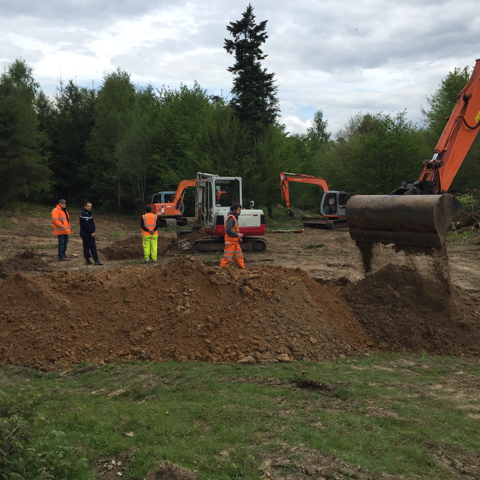
The process of searching for the Disappeared is not the archaeology of soft brushes and trowels in the first instance. The Commission hires skilled and very experienced contractors using wide tracked machines with smooth lipped buckets. Each machine will operate on steel plates which have to be moved into position with each movement of the machine.
These plates are necessary (a) to enable the machinery to work on unstable ground ie bog land and (b) to preserve the integrity of the ground beneath the machine which has yet to be searched. Thin layers of soil/peat/clay will be carefully skimmed off closely monitored by a forensic archaeologist looking for any subsurface indication of disturbance to the ground.
The Commission will use other techniques including on occasions cadaver dogs which are trained to detect signs of human remains. Despite the advances in the technology of geophysics and ground penetrating radar there is no ‘body detecting machine’. Accurate information and expertise built over many years produces positive results. When the search is completed the area will be reinstated.
No forensic examination is permitted other than to assist with the identification .
The ICLVR has familial DNA samples from all of the Disappeared.
Once evidence of identification has been accepted by the relevant coroner the body will be released to the family for burial and an inquest will follow.
Search Gallery